Funds are entitled to impose a waiting period of up to 12 months on benefits for any medical condition the signs and symptoms of which existed throughout the six months ending on the day the person very first got insurance coverage. They are likewise entitled to enforce a 12-month waiting period for benefits for treatment associating with an obstetric condition, and a 2-month waiting period for all other advantages when an individual first takes out personal insurance coverage. Funds have the discretion to minimize or remove such waiting durations in specific cases. They are likewise complimentary not to impose them to start with, but this would position such a fund at risk of "adverse selection", drawing in a disproportionate variety of members from other funds, or from the swimming pool of meaning members who may otherwise have joined other funds.
The advantages paid timeshare companies for these conditions would develop pressure on premiums for all the fund's members, triggering some to drop their membership, which would result in more increases in premiums, https://www.jbklutse.com/tips-to-improve-your-real-estate-listings/ and a vicious circle of higher premiums-leaving members would ensue. [] The Australian government has actually presented a number of rewards to motivate adults to get personal health center insurance coverage. These consist of: Life time Health Cover: If an individual has actually not taken out personal health center cover by 1 July after their 31st birthday, then when (and if) they do so after this time, their premiums must consist of a loading of 2% per annum for each year they were without medical facility cover.
The loading is gotten rid of after 10 years of constant health center cover. The filling applies only to premiums for health center cover, not to ancillary (additionals) cover. Medicare Levy Additional charge: People whose gross income is higher than a specified amount (in the 2011/12 monetary year $80,000 for singles and $168,000 for couples) and who do not have a sufficient level of private health center cover need to pay a 1% surcharge on top of the requirement 1. 5% Medicare Levy. The rationale is that if the people in this earnings group are required to pay more money one method or another, most would select to acquire health center insurance coverage with it, with the possibility of an advantage in the event that they require private medical facility treatment rather than pay it in the type of additional tax as well as having to satisfy their own personal hospital expenses.
These changes need legislative approval. A costs to alter the law has been introduced however was not gone by the Senate. A modified variation was handed down 16 October 2008. There have actually been criticisms that the changes will trigger many individuals to drop their private health insurance coverage, causing a more burden on the general public healthcare facility system, and an increase in premiums for those who remain with the personal system. Other analysts believe the impact will be minimal. Private Health Insurance Coverage Rebate: The government subsidises the premiums for all personal medical insurance cover, including medical facility and ancillary (bonus), by 10%, 20% or 30%, depending on age.
While this relocation (which would have required legislation) was defeated in the Senate at the time, in early 2011 the Gillard Government announced strategies to reintroduce the legislation after the Opposition loses the balance of power in the Senate. What is unemployment insurance. The ALP and Greens have long been versus the refund, referring to it as "middle-class welfare". According to the Constitution of Canada, health care is primarily a provincial government responsibility in Canada (the main exceptions being federal government responsibility for services provided to aboriginal peoples covered by treaties, the Royal Canadian Mounted Cops, the militaries, and Members of Parliament). As a result, each province administers its own medical insurance program.
The Best Guide To Why Is My Car Insurance So High
Under the Canada Health Act, the federal government requireds and enforces the requirement that all people have open door to what are described "medically necessary services," defined mainly as care provided by physicians or in https://www.linkandthink.org/why-should-agents-use-real-estate-crm/ hospitals, and the nursing component of long-lasting domestic care. If provinces permit physicians or institutions to charge clients for clinically needed services, the federal government decreases its payments to the provinces by the quantity of the forbidden charges. Collectively, the public provincial medical insurance systems in Canada are often described as Medicare. This public insurance coverage is tax-funded out of basic federal government revenues, although British Columbia and Ontario levy a necessary premium with flat rates for people and households to create additional incomes - in essence, a surtax.
4 provinces enable insurance for services likewise mandated by the Canada Health Act, but in practice, there is no market for it. All Canadians are totally free to use personal insurance for optional medical services such as laser vision correction surgical treatment, plastic surgery, and other non-basic medical treatments. Some 65% of Canadians have some kind of supplemental private health insurance coverage; numerous of them receive it through their companies. Private-sector services not spent for by the federal government represent almost 30 percent of total health care costs. In 2005, the Supreme Court of Canada ruled, in, that the province's restriction on personal insurance for health care currently insured by the provincial plan broke the Quebec Charter of Rights and Freedoms, and in specific the areas handling the right to life and security, if there were unacceptably long haul times for treatment, as was declared in this case.
World map of universal healthcare. How much is gap insurance. Nations with free and universal healthcare The national system of health insurance was instituted in 1945, simply after the end of the Second World War. It was a compromise in between Gaullist and Communist agents in the French parliament. The Conservative Gaullists were opposed to a state-run healthcare system, while the Communists were encouraging of a total nationalisation of health care along a British Beveridge model. The resulting programme is profession-based: all people working are required to pay a portion of their income to a not-for-profit medical insurance fund, which mutualises the danger of illness, and which compensates medical costs at differing rates.
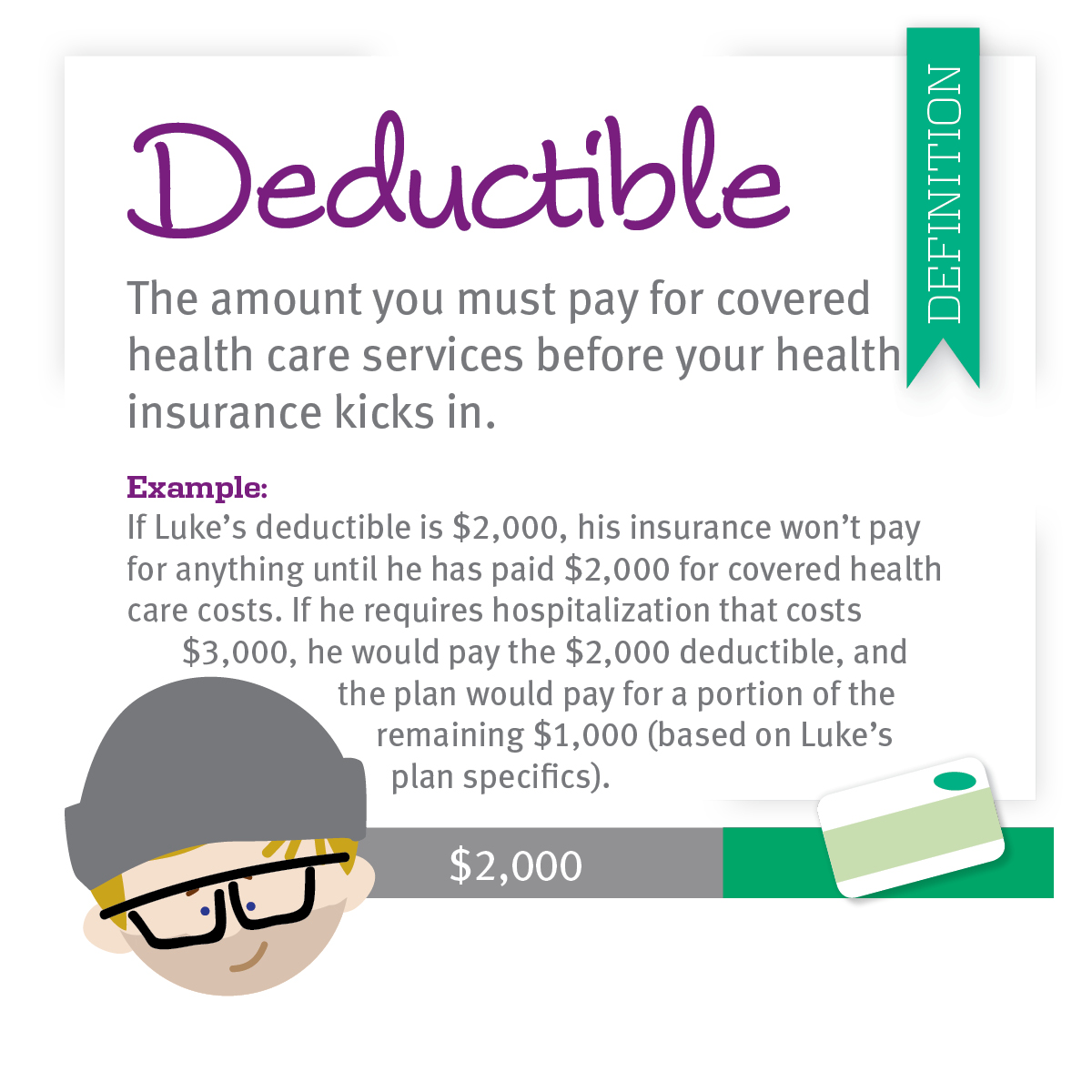
Each fund is totally free to handle its own spending plan, and used to compensate medical expenses at the rate it chose, nevertheless following a number of reforms in the last few years, the bulk of funds supply the same level of reimbursement and advantages (What is a deductible in health insurance). The federal government has 2 obligations in this system. The very first government responsibility is the fixing of the rate at which medical costs must be worked out, and it does so in two methods: The Ministry of Health straight negotiates costs of medication with the makers, based on the typical price of sale observed in neighboring nations. A board of doctors and professionals decides if the medicine supplies an important enough medical benefit to be reimbursed (note that a lot of medication is reimbursed, including homeopathy).
